Oraljob Guide to Low-Cost Dental Implants Worldwide
This guide explains how “Oraljob” can support your search for lower-cost dental implant options in English, Spanish, and Portuguese-speaking countries. It reviews reputable information sources, outlines step-by-step pathways to reduce implant costs responsibly, and provides reference price ranges by country. The article also covers eligibility, treatment planning, and practical FAQs from an expert, safety-first perspective.
At a glance: what “Oraljob” means for implant cost planning
In practical terms, Oraljob can be understood as a workflow mindset—helping patients organize dental care decisions, compare providers, and navigate costs more methodically. When you are specifically targeting low-cost dental implants, the goal is not simply to find a cheaper price tag, but to align clinical suitability, materials, and follow-up care with your budget.
Dental implants typically involve several stages (assessment, surgery, and restoration), and “low-cost” strategies that skip key steps often increase good risk. So the very effective approach blends structured research with medically sound treatment planning.
Think of “Oraljob” as turning an intimidating healthcare purchase into a series of accountable tasks: gather records, request a real plan, compare like-for-like details, confirm what’s included, and ensure continuity of care. The result is usually a calmer decision process—one where you can pursue affordability while still protecting outcomes like implant stability, comfortable chewing, and long-term prosthetic function.
Cost planning also becomes easier because you can identify what is truly variable (such as implant system selection or the need for grafting) versus what should be stable (such as diagnostic standards, infection control, and aftercare monitoring). This distinction is critical, because “low cost” that relies on vague wording like “implant included” or “cheap package” can hide uncertainty that later becomes expensive.
Finally, “Oraljob” encourages you to document conversations and keep copies of key items—treatment plan summaries, imaging reports, consent forms, warranty documentation, and postoperative instructions. When issues occur (which every prudent patient should anticipate), having that paper trail can speed up resolution and reduce the stress of re-explaining your case.
Why dental implants cost varies (and why “low cost” needs discipline)
From an industry expert’s perspective, implant pricing is influenced by multiple variables that differ by country and clinic:
- Clinical complexity: bone volume, infection control, extraction history, and need for bone grafting can materially change the number of appointments and procedures.
- Implant system and prosthetics: implant brand, abutment selection, crown/bridge materials, and the design of your final restoration affect total cost.
- Surgeon and facility overhead: operating room standards, imaging technology, and professional experience influence pricing.
- Support and aftercare: follow-up schedules, maintenance plans, and complication management are part of the real value equation.
Because of these factors, two patients may receive similar “implant” labels but need different treatment pathways. A responsible low-cost strategy therefore focuses on what you need—not what you wish you could skip.
One of the most common reasons patients overspend after choosing a “cheap implant” is that they assumed the price covered everything. In real life, implants are not standalone items; they are part of a complete system including diagnostic imaging, surgical planning, implant placement technique, healing protocol, prosthetic fabrication, occlusion (bite) adjustments, and long-term hygiene support.
Low-cost discipline means refusing to trade unknowns for shortcuts. It’s normal to negotiate affordability by comparing options, but it is not normal to “accept” missing steps or incomplete documentation. If a clinic can’t clearly explain what you’re buying, your budget might be vulnerable to hidden add-ons.
It also helps to know that cost variations aren’t only “greed versus fairness.” Some clinics offer lower prices because they have streamlined processes, high volumes, or negotiated procurement costs for certain components. Other clinics charge more because they include extra safeguards, longer warranties, specialized imaging, more robust maintenance programs, or the expertise to handle complex cases. Neither approach is automatically superior—your job under Oraljob is to verify which clinical elements are included.
Another practical factor is how clinics structure their fees. Some quote an “implant only” number and later add the restoration and surgical accessories; others quote package pricing and include multiple stages upfront. A “low implant price” can appear attractive while still leaving you responsible for expensive prosthetic work. Therefore, you should compare both the surgical line item and the prosthetic line item (plus diagnostic costs).
Context: how English-, Spanish-, and Portuguese-speaking countries differ
Dental care systems and consumer expectations vary by region, and this shows up in how information is presented and how cost transparency works.
- English-speaking countries often emphasize consumer choice, insurance literacy, and online scheduling. Providers and intermediaries frequently highlight cost ranges, financing, or travel options.
- Spanish-speaking countries commonly show a strong emphasis on localized patient communication, including bilingual navigation pages and culturally accessible clinic interactions.
- Portuguese-speaking countries often highlight clinic networks and program-style dental planning (including preventive scheduling and membership or plan structures).
These differences can affect how you should research. In English-speaking markets, you may see detailed price breakdowns, but they still may require you to “dig” for what’s included. In Spanish-speaking markets, you might find more narrative explanations of the process, which can be helpful for clarity, but you may still need to ask for explicit line-item pricing to avoid assumptions. In Portuguese-speaking markets, plan structures and network models can reduce cost predictability for routine care, but for implants you still need to confirm exactly which stages are included and who performs them.
Within any country, individual clinics can also vary widely in transparency. That’s why “Oraljob” is valuable regardless of language: you use a consistent checklist for information gathering so marketing style doesn’t determine your final budget.
Reference information sources for low-cost implant research
When evaluating “low-cost dental implant” claims, it helps to anchor your research in reputable patient education pages and established clinic or insurance information. Below is a compact comparison of websites that provide cost-oriented implant guidance.
| Website (topic focus) |
|---|
| DentalViews (low-cost dental implant education; benefits, types, and process overview) |
| Atlantic Dental Group (clinic service catalog: implants plus routine care; patient scheduling and practice information) |
| DentaVacation (dental tourism orientation; cost comparisons and travel planning logic) |
| ADHP / American Dental Health Plans (insurance-plan literacy: coverage concepts and how to apply) |
source: [www.dentalviews.com](https://dentalviews.com/low-cost-dental-implants/) [www.atlanticdentalgrp.com](https://www.atlanticdentalgrp.com/) [www.dentavacation.com](https://www.dentavacation.com/) [www.rockvilledentalarts.com/es/](https://rockvilledentalarts.com/es/)
Note: The links above are the sources of the summarized website focus described in the table.
To make Oraljob practical, use these sources as starting points—then verify details with clinics. Patient education pages can explain typical processes, but they rarely provide the precision you need for your personal case. The key is to translate education into questions and requirements you can enforce during consultations.
Another useful approach is to compare multiple sources to see whether their descriptions of “what’s included” match. If one source emphasizes diagnostic clarity while another emphasizes “lowest package price,” the difference helps you decide where the hidden costs might appear. You can also look for consistent themes across reputable educational materials, such as: the importance of periodontal health, the role of imaging, and the reality of staged healing when grafting is involved.
For your research workflow, consider saving the pages (or notes) you rely on. If you later discover that a clinic’s promised package contradicts widely accepted process steps, you’ll have evidence for follow-up questions.
How to reframe “low-cost” into a safe, decision-ready plan
Many people begin with price alone. A better approach is to separate cost into medically relevant categories and then optimize each category without cutting clinical corners.
Use this structure:
- Diagnostic cost: imaging, consultation, and treatment planning (often the foundation for accurate pricing).
- Surgical cost: implant placement, bone graft needs, extraction timing, and peri-implant infection management.
- Prosthetic cost: abutment selection and the final crown/bridge/overdenture restoration.
- Maintenance and follow-up: good monitoring, hygiene protocols, and repair planning.
This “Oraljob” style decomposition helps you compare like-for-like across clinics and reduces the chance you’ll pay extra later for missing steps.
To apply this in real life, you can treat each category like a budget line. If a clinic offers a low overall number, you ask: “What diagnostics are included? Do you use CBCT or only basic radiographs? What surgical elements are included—like grafting, membrane, or biologic materials if needed?” Then, you also ask: “What prosthetic components are included? Is it a specific crown material? Who designs the final bite relationship? Is there an adjustment visit included after placement?”
Maintenance and follow-up are often underappreciated. A low-cost implant plan can become expensive if you later need emergency repairs and you discover that aftercare is limited or not included. “Oraljob” encourages you to ask: “How often will you monitor? What hygiene tools are recommended? What’s included in the first year? What happens if the restoration cracks?”
Another reframing step is to consider the cost of delayed treatment. Sometimes patients attempt to lower implant costs by postponing periodontal therapy or by ignoring symptoms like gum inflammation. If complications occur, the implant timeline can shift and the total cost increases. Therefore, “low-cost” should mean “efficient and appropriate,” not “rushed and incomplete.”
For example, if you have gum disease, you might see a clinic quote a lower implant price but not include periodontal stabilization. Later, you need additional cleanings or even more advanced therapy. Under Oraljob, you would insist that periodontal status be assessed and treated as part of the plan before implant placement, or else you clearly label periodontal treatment as an additional cost you must budget for.
Low-cost dental implant pathways in English-speaking countries (step-by-step)
Below is a practical, medically grounded pathway tailored to many real-world processes commonly used in English-speaking settings. It is designed for readers who want to reduce cost while maintaining clinical safety.
- Gather baseline records: obtain dental radiographs (or CBCT if indicated), periodontal status, and a list of prior procedures. If you have missing teeth, clarify how long it has been since extraction.
- Request a formal treatment plan: ask whether you need bone augmentation, sinus considerations, or staging strategy. A genuine plan explains the “why,” not just the final price.
- Compare total treatment packages: not only implant placement fees—compare the restoration (crown/bridge material and design), warranty/aftercare, and scheduled follow-ups.
- Ask about financing and insurance alignment: explore whether dental insurance can cover diagnostic work, periodontal care, or partial components. Insurance coverage varies widely; confirm details before booking.
- Evaluate travel carefully if using dental tourism models: if you consider a model like dental tourism, plan for complications and post-operative follow-up, ideally near home. Ensure clear documentation and continuity of care.
- Confirm professional credentials and facility standards: verify implant experience, sterile protocol standards, imaging workflow, and emergency planning.
- Get a cost range for each treatment stage: request line-item estimates for diagnostics, surgery, and prosthetics to avoid surprises.
To expand this pathway into an “Oraljob” checklist, you can add a few extra decision points that are especially useful in English-speaking markets where direct-to-consumer marketing is common:
- Demand clarity about “discounted” components: If a clinic says it uses a certain implant brand “or equivalent,” request the exact system and component specs. “Equivalent” can be helpful, but only when you know what is being substituted.
- Ask about the final crown material and expected maintenance: some clinics offer a cheaper crown material that may require replacement earlier. Maintenance cost should be included in the decision.
- Confirm who handles complications: ask where you go if you develop persistent swelling, pain, or signs of infection after surgery.
Also, when clinics quote low prices online, you should confirm whether the quote assumes the “best-case” scenario. Sometimes the advertisement is based on ideal bone conditions, while your case might require grafting. Oraljob means you ask for a quote that is tied to your actual diagnostics, not a generic example.
Finally, in English-speaking settings, you may have multiple channels to reduce cost—such as dental schools, community programs, or negotiated provider rates. Oraljob includes verifying that any lower-cost environment still offers the required imaging, sterile protocols, and follow-up monitoring consistent with standard implant practice.
Low-cost dental implant pathways in Spanish-speaking countries (step-by-step)
In Spanish-speaking contexts, clinic communication and patient guidance can be a meaningful differentiator. The goal is the same—optimize cost without compromising essential steps.
- Choose a clinic with implant-focused documentation: prioritize practices that explain the implant process clearly and provide expected timelines.
- Assess suitability for implant type: some patients may qualify for alternative approaches (including mini-implant solutions in specific anatomical scenarios). Your clinician should confirm feasibility based on bone conditions and functional needs.
- Request bilingual clarity if needed: if you are comfortable reading Spanish but not all medical terms are familiar, ask for patient-friendly explanations of risks, alternatives, and postoperative care.
- Ask whether staged procedures are included: for example, periodontal therapy before implants or temporary restoration planning may affect total cost.
- Plan follow-up continuity: if treatment involves travel, arrange post-operative checkups and ensure you can access records for continuity.
To use Oraljob effectively in Spanish-speaking contexts, it can help to prepare a set of Spanish questions (or translate them). For example, ask for:
- El plan de tratamiento por etapas (stage-by-stage plan)
- Qué incluye el precio (what is included in the price)
- Qué pasa si hay complicaciones (what happens if there are complications)
- Garantía y cuidados posteriores (warranty and aftercare)
In many Spanish-speaking clinics, patient instructions can be thorough and easy to follow, which can reduce the chance of postoperative problems. However, Oraljob still requires you to check that these instructions are backed by documented scheduling (for example, the dates of follow-up visits) and by clear pathways for emergency care.
Another practical factor is that communication norms differ across regions. Some patients may be told information verbally without receiving a written summary. Under Oraljob, ask for a written treatment plan and cost breakdown. Even a concise document can prevent misunderstandings about what “low cost” covers.
If you’re considering dental tourism within Spanish-speaking regions, continuity becomes especially important. Ask whether postoperative appointments can be scheduled promptly if issues arise and whether the clinic can provide records and implant system details in a format your local dentist can understand.
Low-cost dental implant pathways in Portuguese-speaking countries (step-by-step)
In Portuguese-speaking markets, patients often benefit from clinic networks and planning structures. Still, the clinical question remains identical: do you need implants, and what supporting procedures are necessary?
- Start with periodontal and bone evaluation: establish whether inflammation control or graft planning is required.
- Review prosthetic options and lifespan: “low-cost” should not mean “unknown longevity.” Ask about crown material, abutment specifics, and maintenance expectations.
- Compare service bundles: some providers offer plan-like structures for ongoing dental care. Confirm what is included for implant follow-up and repair.
- Confirm who performs each stage: ask whether the implant surgery and prosthetic work are completed by specialists, and whether complications are managed on-site or via referral.
To make Oraljob more practical in Portuguese contexts, pay attention to how clinics describe collaboration between professionals. Some clinics may have a network where one provider does imaging and another does prosthetics. This can be efficient and cost-effective, but it can also create gaps if responsibility is unclear. Ask:
- Who is the lead clinician for complications?
- Are postoperative checks conducted by the same team?
- Is the implant system identified by name and model in your documentation?
Also, when plan structures include memberships, you should confirm whether implant-specific maintenance (such as hygiene visits targeted to peri-implant tissue) is included. Routine dental cleanings may not be identical to implant maintenance. Oraljob encourages you to ask whether the schedule includes implant-focused evaluation rather than just standard checkups.
If you are offered “membership pricing” or “program pricing,” clarify whether your implant restoration is covered for repairs or remakes and what conditions trigger additional costs. A low initial cost is valuable only when the total value over time remains acceptable.
Reference cost ranges for dental implants by country (implant only)
Prices below are reference ranges for an individual dental implant. Real costs depend on diagnostics, bone quality, implant system, and the type of restoration required.
| Country | Currency | Price range (implant only) |
|---|---|---|
| United States | USD | $3,000 - $6,000 |
| United Kingdom | GBP | £2,000 - £2,500 |
| Australia | AUD | AU$3,500 - AU$6,500 |
| Canada | CAD | CA$3,000 - CA$5,500 |
| Spain | EUR | €1,500 - €2,500 |
| Chile | CLP | CLP$800,000 - CLP$1,500,000 |
| Mexico | MXN | $15,000 - $25,000 |
| Colombia | COP | $2,000,000 - $4,000,000 |
| Peru | PEN | S/ 3,000 - S/ 6,000 |
| Argentina | ARS | $80,000 - $150,000 |
| Brazil | BRL | R$3,000 - R$8,000 |
| Portugal | EUR | €1,000 - €2,000 |
| Germany | EUR | €2,000 - €3,500 |
| France | EUR | €1,500 - €2,500 |
| Italy | EUR | €1,500 - €3,000 |
| Japan | JPY | ¥300,000 - ¥700,000 |
Even though this table focuses on “implant only,” Oraljob still recommends you treat these numbers as context rather than a budget guarantee. Your actual total cost typically includes diagnostics, any grafting materials (if needed), surgical accessories, and the prosthetic restoration. If a clinic’s package price seems “too low,” compare whether it includes prosthetics and follow-up visits, not only the implant fixture.
Another point: implant only pricing can be misleading when you compare countries because the prosthetic component costs can vary, as can lab fees and materials. Two people may both pay €2,000 for an implant, but their total costs might differ because one case requires grafting and the other doesn’t, or because one uses a higher-end crown material.
Conditions and requirements: what you should expect before booking
To reduce costs responsibly, you must still meet clinical requirements. Typical eligibility considerations include:
- Bone adequacy: sufficient volume and density to support osseointegration; grafting may be needed.
- Oral health and infection control: periodontal health must be stabilized to lower implant failure risk.
- Overall medical suitability: chronic conditions may require coordination with primary care providers.
- Habits: smoking and unmanaged diabetes can affect healing and integration; discuss these honestly with your clinician.
- Restorative plan: implant position must support proper bite mechanics and hygiene access.
Oraljob is not about deciding on implants first and sorting out eligibility later. The safe pathway is to confirm eligibility early so you don’t accidentally purchase a low price that depends on an unrealistic assumption.
For example, if you have periodontal disease, the “cheapest implant package” might still be inappropriate. Implant success can be compromised when underlying gum inflammation is active. Therefore, pre-implant periodontal evaluation and stabilization (such as scaling and root planning or periodontal maintenance) is often part of a responsible plan even if it adds cost.
Similarly, if you have insufficient bone volume in a key area, you might be offered a low price for “implant placement,” but then you later find out that grafting is necessary and not included. Under Oraljob, you request a clear statement: “Is grafting required for me? If yes, how much does it add? If no, what conditions would change that?”
It’s also important to anticipate that some medical conditions may affect implant outcomes. Controlled chronic disease doesn’t automatically disqualify you, but it can change the healing protocol and the need for medical coordination. Oraljob encourages you to schedule the right pre-implant assessments and to ask how the clinic coordinates with your physician.
Finally, habits like smoking or vaping can significantly affect healing. Some clinics may require a certain level of smoking cessation before surgery. While quitting can feel inconvenient, it can also reduce the risk of complications, which protects your budget.
Expert comparison of relevant provider types (not just brand names)
When people search for “Oraljob” style cost optimization, they often compare a clinic’s brand or a website’s marketing tone. A more objective comparison focuses on the care model:
- Clinic websites with detailed implant service pages: typically provide appointment booking, implant process descriptions, and service scope (e.g., cleaning, orthodontics, implants, and emergency care). This can support better pre-treatment clarity.
- Low-cost education sites: usually aim to inform patients about implant types, the sequence of care, and typical cost drivers.
- Dental tourism platforms: may emphasize travel planning and cost differences between countries; however, they require careful vetting of post-operative continuity.
- Insurance guidance providers: can help you understand whether dental insurance supports components of care—though coverage details vary and should be verified directly.
To deepen your comparison under Oraljob, you can look beyond categories and evaluate specific operational realities:
- Imaging workflow: Do they use CBCT when appropriate? How do they explain findings? Are reports provided to you?
- Treatment planning transparency: Do they provide a written plan with stages and costs? Do they document implant system choices?
- Sterile and safety practices: How do they explain sterilization, infection control, and staff training?
- Prosthetic coordination: Does the clinic have in-house lab capability, or does it use a partner lab? Do they specify what materials are used for crowns?
- Warranty/repair approach: If something fails—what’s the next step? Do they remake crowns or adjust occlusion? Is the implant fixture covered differently than the prosthetic?
Another helpful comparison point is how provider type affects the patient experience. For example, a clinic that prioritizes high-volume straightforward cases might still be good for patients who meet eligibility requirements, but it might be less suitable for complex bone-deficient cases. Conversely, a premium clinic might handle complexity better but may quote higher prices. Oraljob does not assume one is always better; it ensures that your chosen provider matches your clinical needs.
Where to look for implant-focused, patient-friendly information in {cate1} contexts
Because your keyword theme centers on dental care and implant decision-making, prioritize sources that explain:
- implant process steps and typical timelines,
- what is included in the price,
- how patients prepare for surgery,
- how complications are handled, and
- what follow-up looks like.
This supports “Oraljob” decision quality: better information leads to better choices.
In addition to patient-friendly articles, Oraljob recommends using two “information layers”:
- Education layer: patient guides and reputable health information that explain typical steps and terminology.
- Verification layer: clinic-specific documents like treatment plans, itemized quotes, consent forms, warranties, and imaging reports.
When you rely only on the education layer, you might not notice how a specific clinic deviates from standard process. When you rely only on the verification layer, you might miss whether a clinic’s plan is complete. Combining both is the strongest “Oraljob” approach.
Also, be cautious with sources that focus only on price discounts without detailing what is included. Price-first content can be useful for initial searching, but it should not replace a clinical due diligence process.
FAQs about low-cost dental implants (expert answers)
1) What does “low-cost dental implants” usually mean in real treatment terms?
It generally means the overall price is reduced by one or more of the following: different implant system selection, streamlined prosthetic options, competitive local pricing, financing structures, or bundled care. It should not mean shortened diagnostics or exclusion of essential restorative planning. A valid low-cost offer clearly states what is included.
Under Oraljob, you should treat “low cost” as a set of trade-offs that must be explicitly listed. For instance, a clinic might reduce cost by using a particular abutment type, minimizing custom extras, or offering standard crown materials rather than premium options. Those choices can be reasonable if they still meet clinical requirements. But if cost reduction is achieved by skipping diagnostic imaging or delaying periodontal stabilization, then the apparent savings can become a future expense.
2) Are cheaper implant prices always a sign of lower quality?
Not necessarily. Costs differ due to market conditions, overhead, and pricing strategies. However, quality can vary—so the safest method is to evaluate clinical details: imaging protocol, practitioner experience, sterile facility practices, material specifications, and the warranty/aftercare policy.
In practice, “quality” is not one thing. It includes the implant fixture, but also the surgical technique, the planning for prosthetics, and the maintenance program. A low price paired with strong aftercare and a clear warranty may be consistent with good quality. A low price paired with vague details and limited follow-up is a red flag.
3) Can dental insurance help reduce implant costs?
Sometimes, but coverage varies by plan and country. In many systems, insurance may contribute toward diagnostics, periodontal care, or specific restorative categories rather than fully covering the implant itself. Confirm coverage details with the insurer or plan documentation before committing.
Oraljob advice here: ask the clinic to provide the correct procedure codes and treatment categories. Sometimes patients discover coverage issues only after surgery, and the delay can be expensive. By verifying coverage steps upfront, you reduce uncertainty.
4) How do I compare quotes from different clinics objectively?
Ask for a line-item or stage-based estimate (diagnostics, surgery, prosthetic restoration, follow-up). Confirm which implant system and components are used, whether bone grafting is included or only “possible,” and what happens if an adjustment or repair is needed.
Additionally, compare the timing. A low-cost quote might assume a certain healing timeline (or a less complex scenario) and might not reflect a staged approach. Ask for a calendar-style timeline so you can evaluate both financial cost and time cost.
5) Is dental tourism a good strategy for low-cost implants?
It can be cost-effective for some patients when it is planned carefully, but it introduces variables such as travel stress, continuity of post-operative care, and documentation transfer. An expert approach is to arrange follow-up near your home and ensure the destination clinic provides comprehensive records and clear aftercare instructions.
Oraljob suggests you treat dental tourism as a coordination project. You should ensure that you can access postoperative care in the destination country within the required window and that your local dentist can continue monitoring without gaps.
6) What risks increase if I rush into cheaper treatment?
Common risk pathways include inadequate evaluation of bone conditions, under-treatment of periodontal disease, incomplete prosthetic planning, and missed post-operative monitoring. These issues can affect osseointegration and the good function of the restoration.
Rushing also increases communication errors: if you don’t have time to review your plan, you might consent without fully understanding alternatives, limitations, or the warranty terms. Oraljob protects you by slowing the decision process just enough to demand clarity.
7) What about mini dental implants—are they always cheaper?
Mini implant solutions may be less costly in specific clinical scenarios, but they are not universally appropriate. Suitability depends on bone anatomy, loading conditions, and the overall restorative plan. A clinician should confirm candidacy rather than assuming cost equals better fit.
Oraljob emphasizes that “mini” does not automatically mean “low-risk.” Mini implants can be a good solution for some patients, but they can require careful selection and appropriate prosthetic design. Ask how your biting forces will be managed and whether the mini approach is aligned with your long-term goals.
8) How long does the process typically take?
Timelines vary by case complexity—especially if grafting or staged procedures are required. Ask for a calendar-style plan (consultation date, surgery date, healing period, and restoration placement) so you can evaluate both time and total costs.
Time also affects logistics costs—travel, time off work, and caregiving. Oraljob encourages you to include time costs in your budget decision, not only the dental invoice.
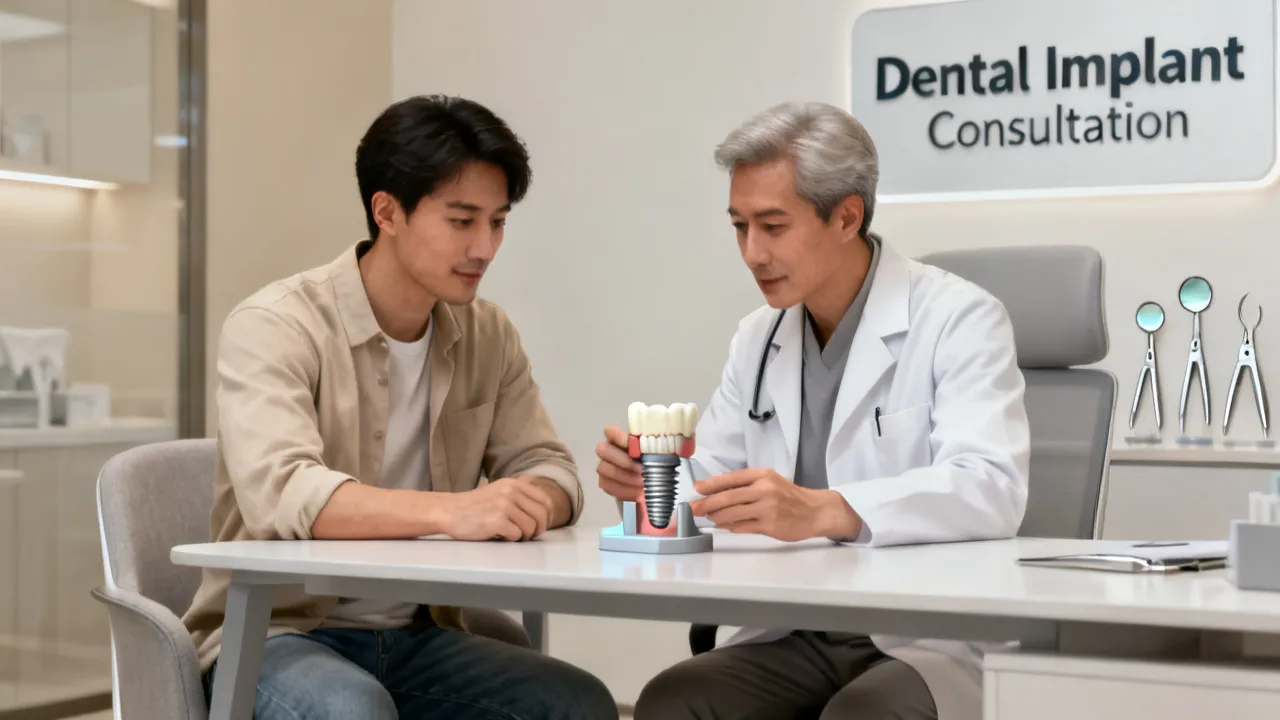
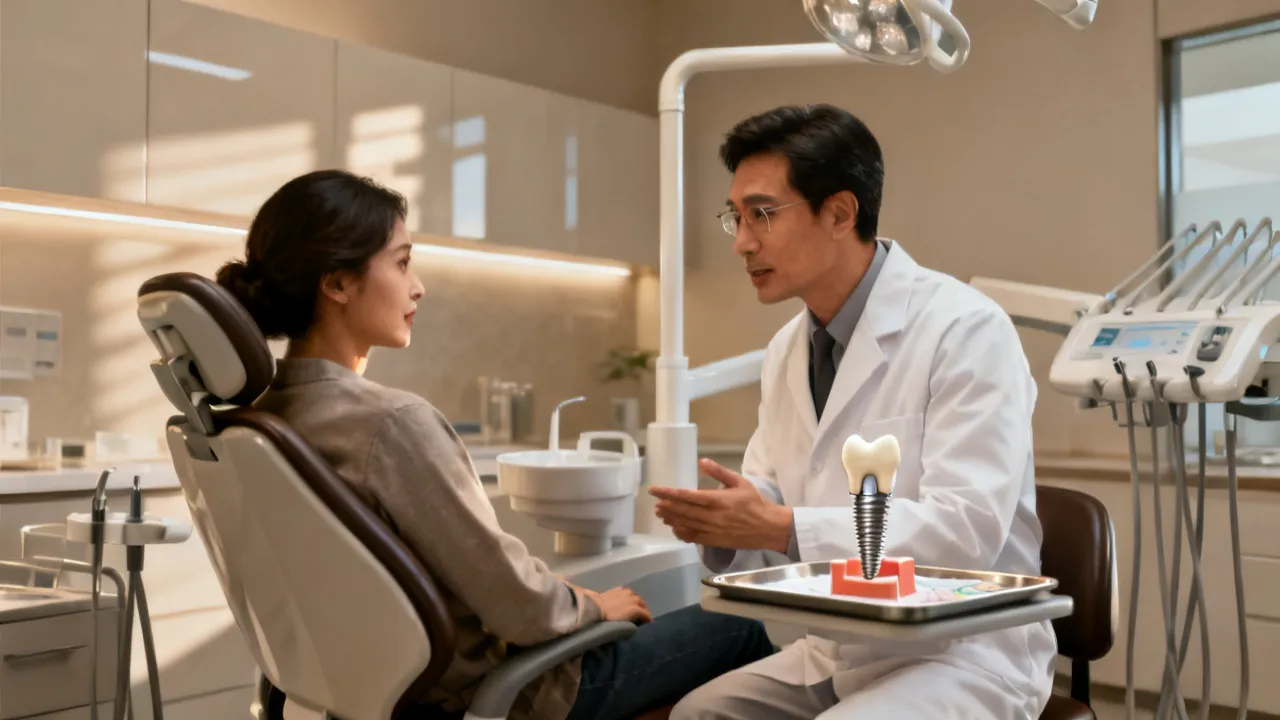
9) What should I ask my surgeon during the consultation?
Key questions include: what imaging is used and why, what implant system/components are proposed, whether bone grafting is expected, expected success considerations for my situation, how follow-up care is scheduled, and what the maintenance plan includes.
You should also ask about postoperative discomfort expectations, what medications are prescribed, and what warning symptoms require urgent attention. A clinic that can answer clearly is usually a clinic with a well-organized care pathway.
Mini conditions checklist: documentation you should request
- Treatment plan with stage-by-stage costs
- Imaging reports (and explanation of findings)
- Implant system and prosthetic component specifications
- Aftercare instructions and follow-up schedule
- Warranty/repair policy details
- Clear next steps if complications occur
To make this checklist stronger, consider adding the following documentation items (when relevant):
- Consent forms that reflect the planned procedure and alternatives
- Medication list including what is for pain control and what is for infection prevention
- Emergency contact information for postoperative questions
- Prosthetic material specification (for example, type of crown material)
Oraljob also suggests saving copies of lab prescriptions or lab-related details if provided. If you move clinics later, those details can speed up ongoing care.
Integrating “Oraljob” into your final decision
Ultimately, “Oraljob” is very helpful when it becomes a structured approach: you organize options, verify clinical suitability, and compare apples-to-apples across providers. This is how patients can pursue lower-cost dental implants while staying aligned with safety, hygiene, and evidence-based planning.
To make the integration concrete, you can follow a “decision ladder”:
- Step 1: Eligibility confirmation—Are implants appropriate for your bone and gum situation?
- Step 2: Complete plan clarity—Do you have stage-by-stage costs and an explicit restorative plan?
- Step 3: Component transparency—Do you know which implant system and prosthetic materials are used?
- Step 4: Aftercare and warranty—Do you know follow-up schedule and repair policy?
- Step 5: Practical logistics—Does the timeline fit your life, travel needs, and access to emergency care?
When you apply this ladder to multiple quotes, you reduce the risk that your “lowest cost” choice is actually the most uncertain option. Oraljob doesn’t guarantee a perfect outcome, but it reduces preventable mistakes.
Another important aspect is to match expectations. If a clinic promises “instant permanent teeth” at a low cost, you should ask under what conditions that is realistic. Immediate loading can work for selected patients with stable primary stability and correct planning; it is not always appropriate for everyone. Oraljob encourages you to align the promise with the documented clinical scenario.
Conclusion: cost matters, but clinical clarity matters more
Low-cost dental implants can be achievable through responsible comparison, staged cost understanding, and credible provider selection. Use the reference price ranges as starting context, then refine your budget based on diagnostics and restoration requirements. If you treat information gathering as part of your plan—an “Oraljob” mindset—you improve both your odds of success and your confidence in the final choice.
In the end, “Oraljob” is about turning affordability into an organized decision: you don’t just pick the lowest number—you pick the best-aligned plan for your specific mouth, your timeline, and your ability to maintain long-term oral hygiene. That approach tends to protect your investment far better than chasing price alone.
And because implants are long-term investments, the most economical option is often the one that preserves function and minimizes the need for expensive rework. Clear documentation, clinically appropriate steps, and robust follow-up are what make a low-cost journey genuinely successful.
Disclaimer
1) The above information comes from online resources, and the data is as of October 2023.
2) Dental implant prices are for reference only and may vary by region, clinic and doctor.
Reference links
- https://dentalviews.com/low-cost-dental-implants/
- https://www.atlanticdentalgrp.com/
- https://www.dentavacation.com/
- https://rockvilledentalarts.com/es/
- https://www.cigna.com/es-us/knowledge-center/guide-to-dental-implants
- https://unioncityminidentalimplants.com/es/
- https://www.rubiodonto.com.br/
- https://odontologiavelasco.com.br/
- https://dentalvidas.com.br/
-

A Guide to Cost-Efficient Small Electric Cars for Seniors
-
Mastering Debt Consolidation: Boost Your Credit Score and Manage Interest Rates
-
Your Guide to Loans, Credit Checks, and Interest Rates
-
Affordable Independent Living: Finding the Right Senior Housing
-
Guide to Senior Living Apartments: Affordable and Comfortable Environments